Evangelical Feminism and the Kingdom of God

There are two interesting conferences coming up in October that I will be attending.

Toward an Evangelical Feminism

The first is the annual fall conference of the Canadian Evangelical Theological Association (CETA) on Saturday October 18, 2014 at Wycliffe College in Toronto. The conference is entitled “Toward and Evangelical Feminism: Scripture, Theology, Gender” and is co-sponsored by CETA with the Institute of Christian Studies and Wycliffe College. A flyer for the conference is available, as well as the conference schedule and the paper abstracts. The keynote address is by Marion Taylor (professor of OT at Wycliffe) on an evangelical feminist reading of Ruth, and the papers look fascinating (some of the papers attempt to define evangelical feminism and others are focused on reading the Bible as authoritative scripture that dignifies and empowers women in God’s world). Online registration is hosted by the Institute for Christian Studies (just scroll to the bottom of the page for the registration links).

Kingdom Conspiracy

The second conference, entitled “Kingdom Conspiracy: Reclaiming the Radical Mission of the Church in the World,” is sponsored by Missio Alliance, and will be held on Wednesday, October 22, 2014 on the campus of Northeastern Seminary and Roberts Wesleyan College in Rochester, NY. The keynote speaker is well-known theologian and biblical scholar Scot McKnight, who hosts the blog “Jesus Creed” on the Patheos website. The advertising says that McKnight might ruffle a few feathers by providing “a biblical corrective and a fiercely radical vision for the role of the local church in the kingdom of God.” A flyer (with the conference schedule) is available and you can register here.

I’ll report on both conferences after I attend them.

God and Nature in Belize, Part 2

In an earlier post I mentioned that I had just arrived in Belize for a week of teaching (September 8-12). At the time I promised a more substantial report.

In short, my week of teaching was a wonderful experience. Now for the details.

Creation Care Study Program

The course I taught was called “God and Nature I” and was focused on the Bible’s teaching about creation, including the role of humanity, and how redemption in Christ affects both humanity and the entire created order. “God and Nature II” (later in the semester) tends to be focused more on theological and justice issues concerning the environment.

These “God and Nature” courses are foundational components of a semester abroad program for North American students in Tropical Ecology, sponsored by the Creation Care Study Program (CCSP). The CCSP sponsors study abroad semesters in both Belize and New Zealand.

Besides the “God and Nature” courses, the students also take courses in forest ecology, stream ecology, field ecology, environmental literature, and three weeks of internships with various organizations around Belize. And they get a couple of travel weeks during the semester, when they can visit other places in Belize or other Central American countries.
The students are drawn from about thirty Christian colleges and universities in the USA and Canada that have a standing agreement with CCSP. The students I taught this semester were from Gordon College, Messiah College, Dordt College, and George Fox University.

Belize

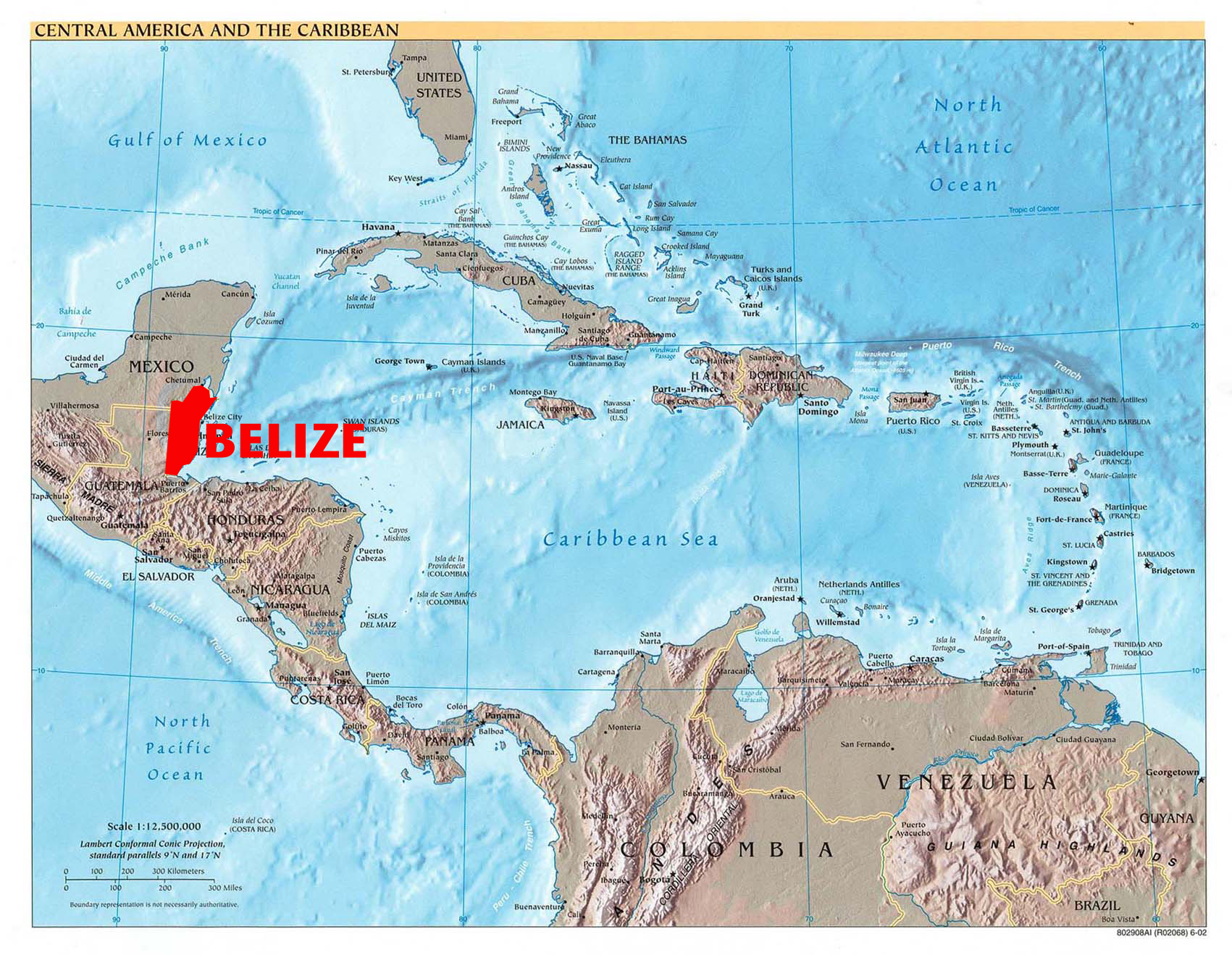
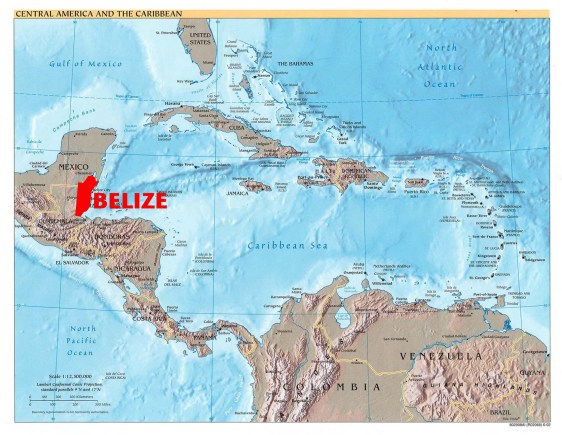
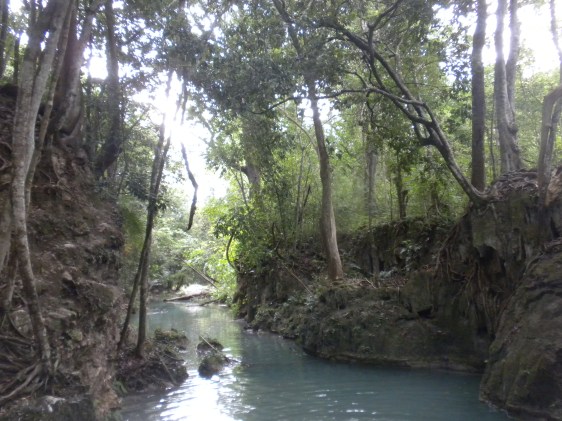
The Belize Program is located in a lush, almost jungle-like area, near the Guatemala border. The closest populated area is known as the Cayo District, consisting of the towns of Santa Elena and San Ignacio (joined by a bridge across the Macal River).

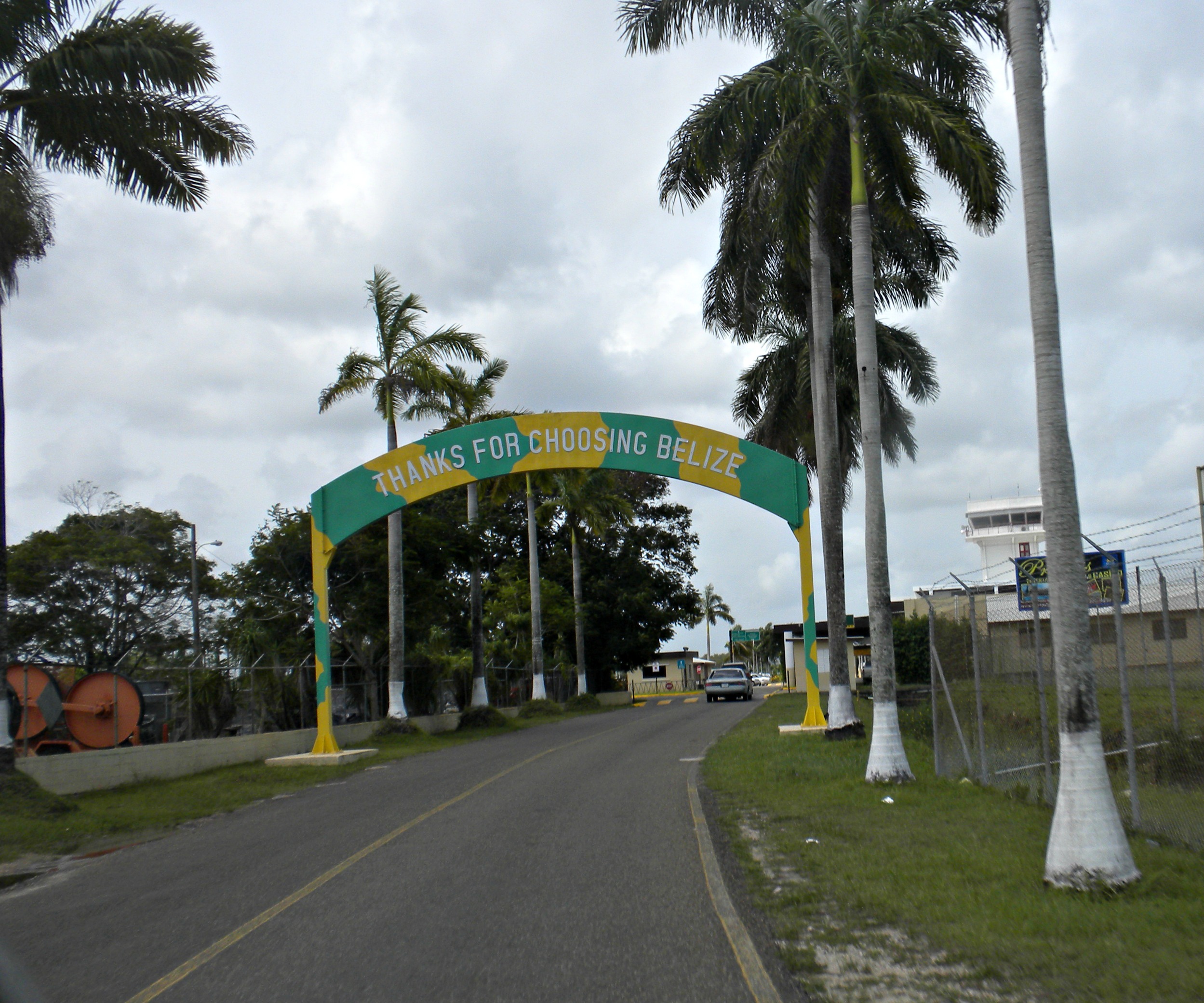
I arrived on a Saturday afternoon and was met at the airport by Josh and Nina (two of the US staff) who drove me two hours inland from Belize City to the Cayo district. The landscape gradually changed in the last half-hour from drier scrub and sparser trees to lush jungle at a slightly higher elevation.
Belize is twice the size of my home country of Jamaica but with a population of just over 300,000, whereas Jamaica has a population of nearly three million. It is really still in many ways a frontier country.

English is the official language, taught in schools, and is spoken by the majority of the population, along with Spanish, Creole (which is similar to Jamaican English) and a variety of other languages. I found Belize to be an amazingly multi-cultural country, where diverse people and language groups live side-by-side.
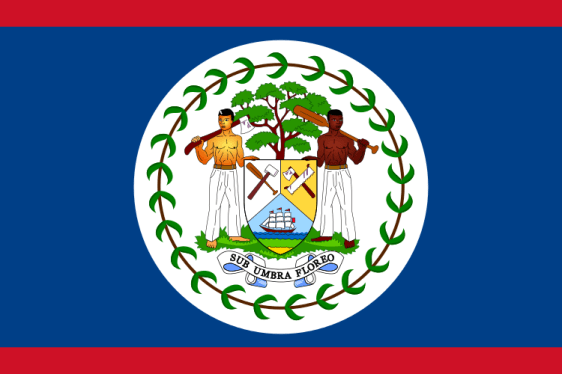
The population of Belize is made up primarily of:

  • Maya (descendants of one of three language groups of the Mayan civilization which populated central America a thousand years ago; many still speak their ancient languages); this is about 15% of the population.
  • Mestizos (descendants of Mexican and other Central American immigrants, often with some Mayan heritage, who tend to speak Spanish); this is about 50% of the population.
  • Creoles (descended from Africans with some European heritage, who speak Creole); about 20% of the population.
  • Garinagu—plural of Garifuna, which describes the language and culture (descendants of African slaves who intermarried with indigenous Caribs on the island of St. Vincent; after the British took over St. Vincent, many were exiled to Honduras and some arrived in Belize in 1802); about 7% of the population.
  • The remaining population is East Indian, Chinese, and Caucasian (including a substantial number of Mennonites, who speak Plautdietsch, a form of low German).

My Teaching and Other Activities

I taught three hours in the morning and two in the evening, with afternoons off.

The weather wasn’t overbearingly hot (low 80s, and even down to 75 at the end of the week) with some rain most days or overnight. But the humidity was very high (over 80%), which required me to change my shirt multiple times each day (I haven’t had to do that since living in Jamaica, usually when the temperature was in the high 90s).
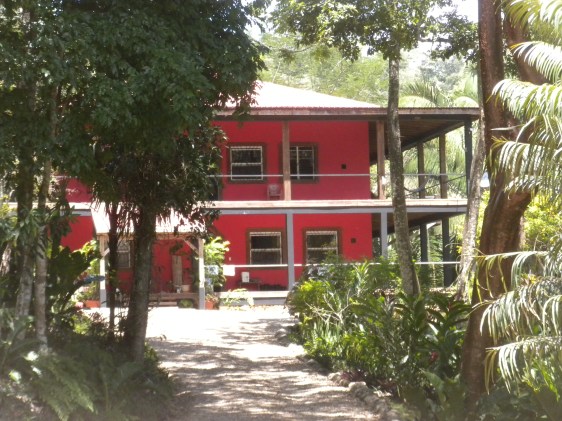
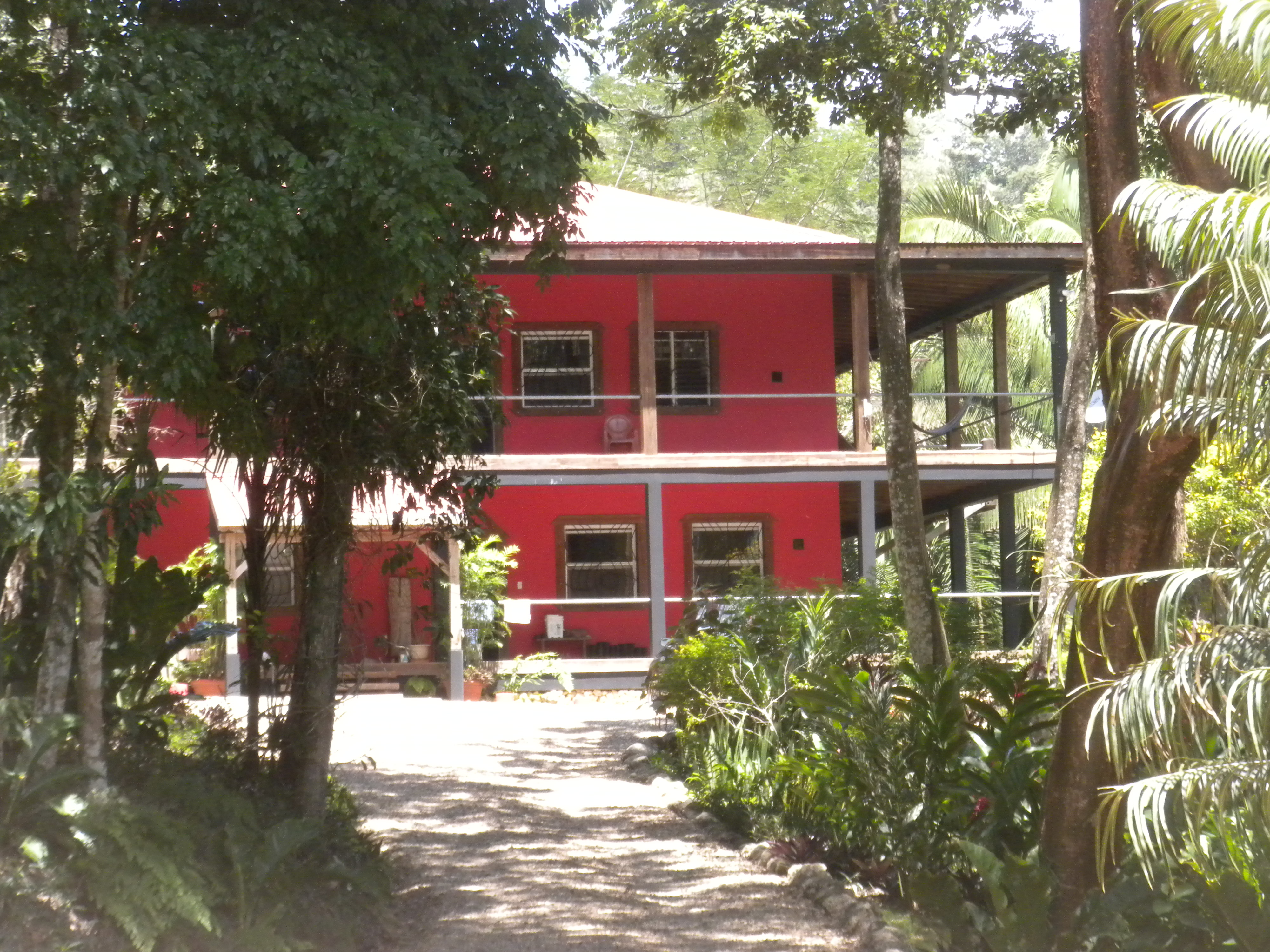
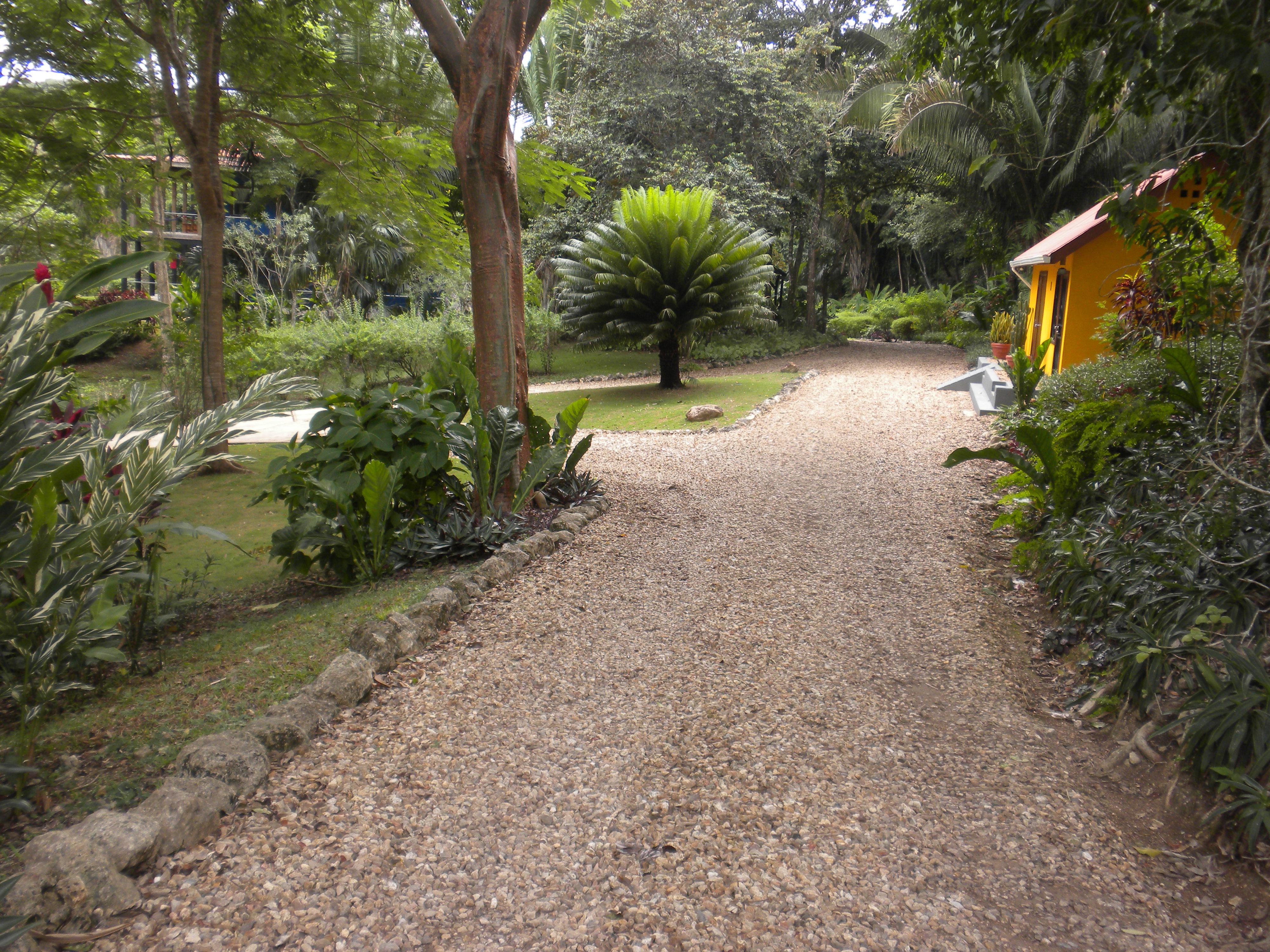
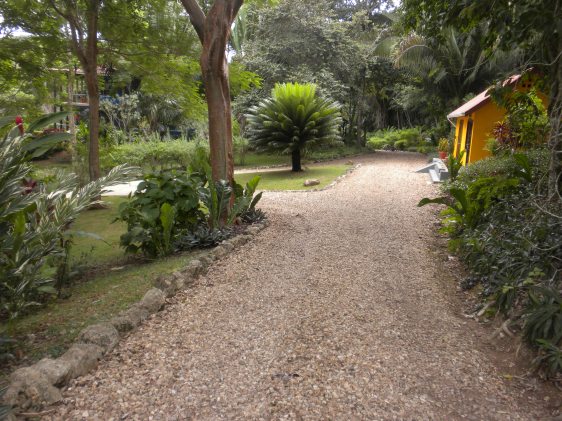
The buildings on the CCSP campus were all brightly painted. There were a couple of two-storey buildings, one that included student and teacher dorms and a sizeable area for classroom and library (blue), while the other consisted of staff housing, along with the main kitchen, dining area, and lounge (red). There were two smaller buildings—a cottage (orange) for the program administrator (and spouse) and a supply shed and laundromat (yellow).
On the first full day there (Sunday) I went with the staff and students to an 8:00 am service at an English-speaking Anglican church in nearby San Ignacio, followed by breakfast in town.
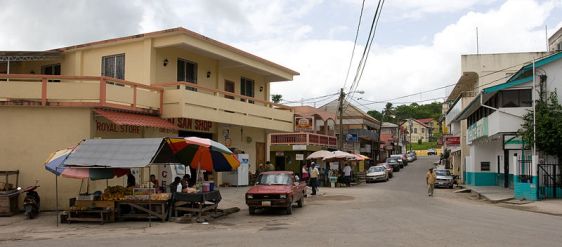
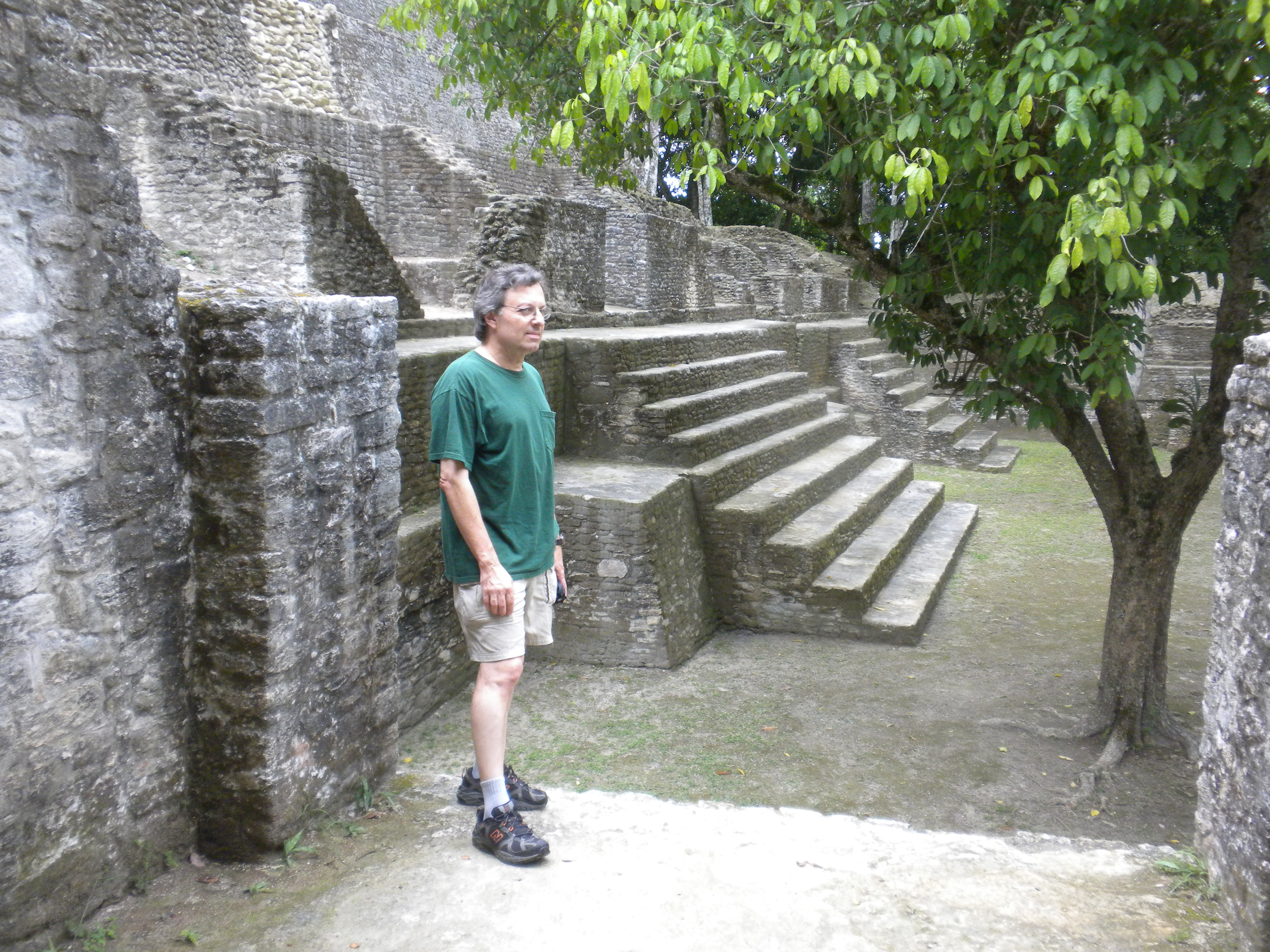
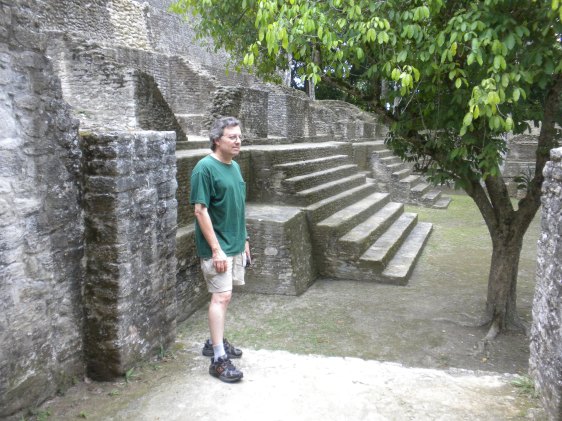
Since my afternoons were free, I got to visit a small waterfall (Monkey Falls) for swimming (no monkeys), an internet cafe, an outdoor restaurant, and a Mayan ruin (Cahal Peck), all in or near San Ignacio.
On the campus (on different days) I saw a (non-poisonous) snake on my path as I was walking down to the nearby river, a lone iguana by the side of the driveway, and seven toucans playing in a nearby tree, chasing away the other birds and eating berries. I also heard a howler monkey at lunch one day, but didn’t actually see it (it sounded far off). One afternoon I was able to see a baby armadillo up close that one of the staff (Jesse) caught (then let go).

The People I Met

The most memorable thing about the trip was getting to know some wonderful people.

I had a great group of students, who were very engaged with the course content and worked to internalize and reflect on the significance of the Bible’s worldview for their lives.

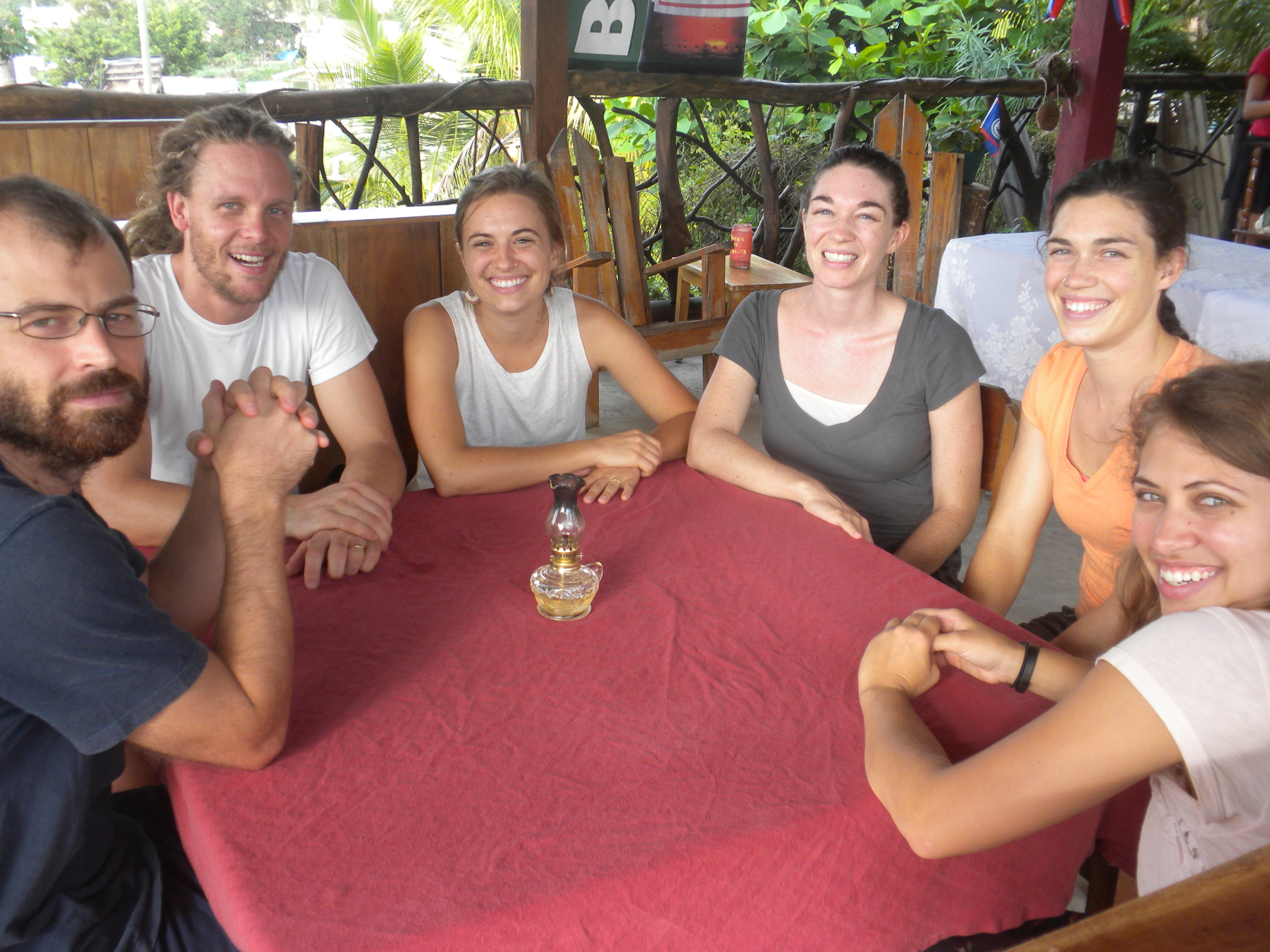
The program staff included two married couples, Micalagh (the program director) and Josh (the facilities manager), and Annie (the program administrator) and Jesse (internship and cross-cultural coordinator). Nina and Tess were both student life coordinators and teaching assistants, with other duties too (such as managing the kitchen). It was a joy getting to know this committed and principled group of Christians, whose care for both people and the environment was evident.
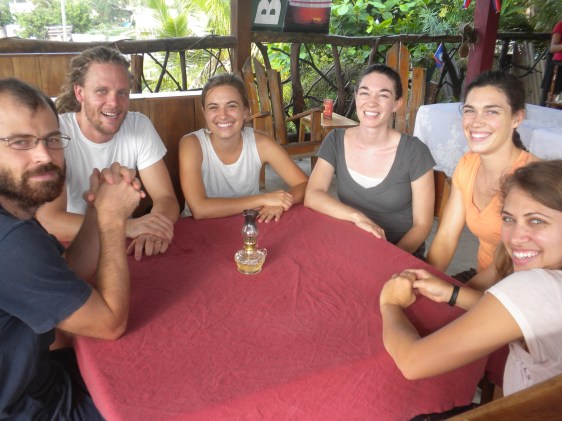
We had two great cooks, Ms. Flora and Ms. Shirley, who consistently provided wonderful meals. The food was almost entirely vegetarian—rice and beans, tacos, vegetable stews, guacamole, fresh fruit, eggs, and (a couple of times) chicken. Everything was tasty and well-spiced (I didn’t need to pour on the habanero sauce that almost everyone added as a condiment to their meals).
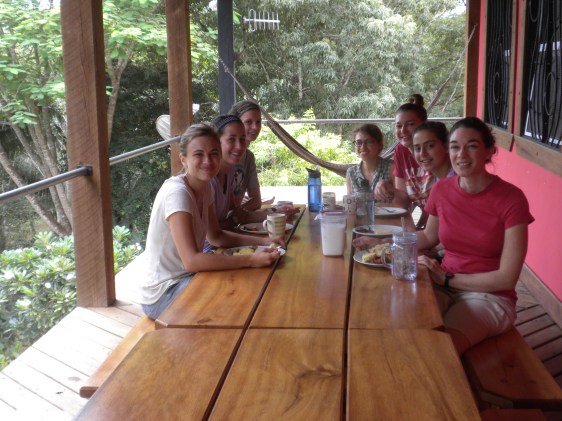
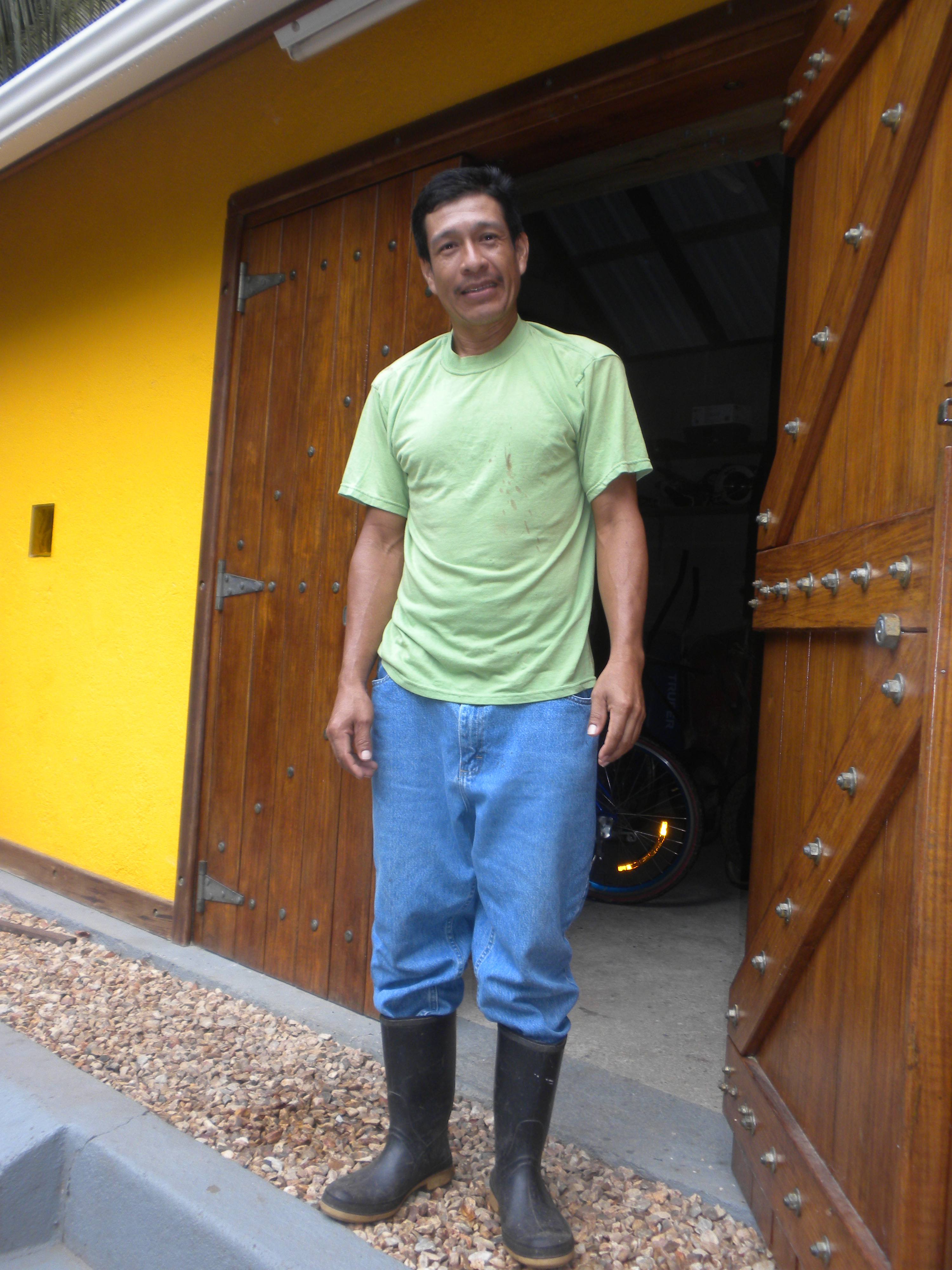
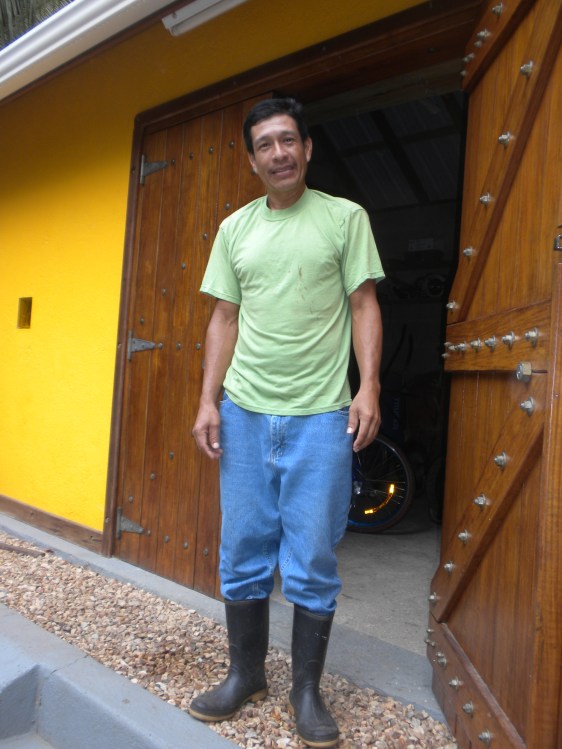
There were four security guards who did shifts round the clock. I got to meet three of them, and had great conversations with Abner, whose family is originally from El Salvador. And there was a dedicated groundskeeper named Trinidad, whose efforts made the entire campus beautiful.
A Different Pace of Life

The next most memorable thing bout being in Belize, besides the people I met, was the pace of life. I had been preparing for the teaching (developing a syllabus, with readings, assignments, etc.) with a certain amount of anxiety, which came from knowing I would be in a new place with five hours of teaching each day and no first-hand knowledge of what to expect.

But this anxiety dissipated entirely by mid-week, to be replaced by a sense of relaxation and mellowness. This was quite a change from the stress of the past summer, as I had been dealing with writing and editing deadlines for a book and some essays (which thankfully all got completed), as well as negotiating speaking engagements for the upcoming year.

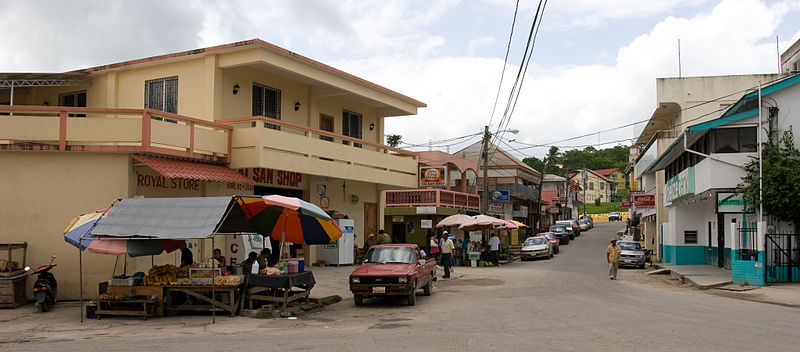
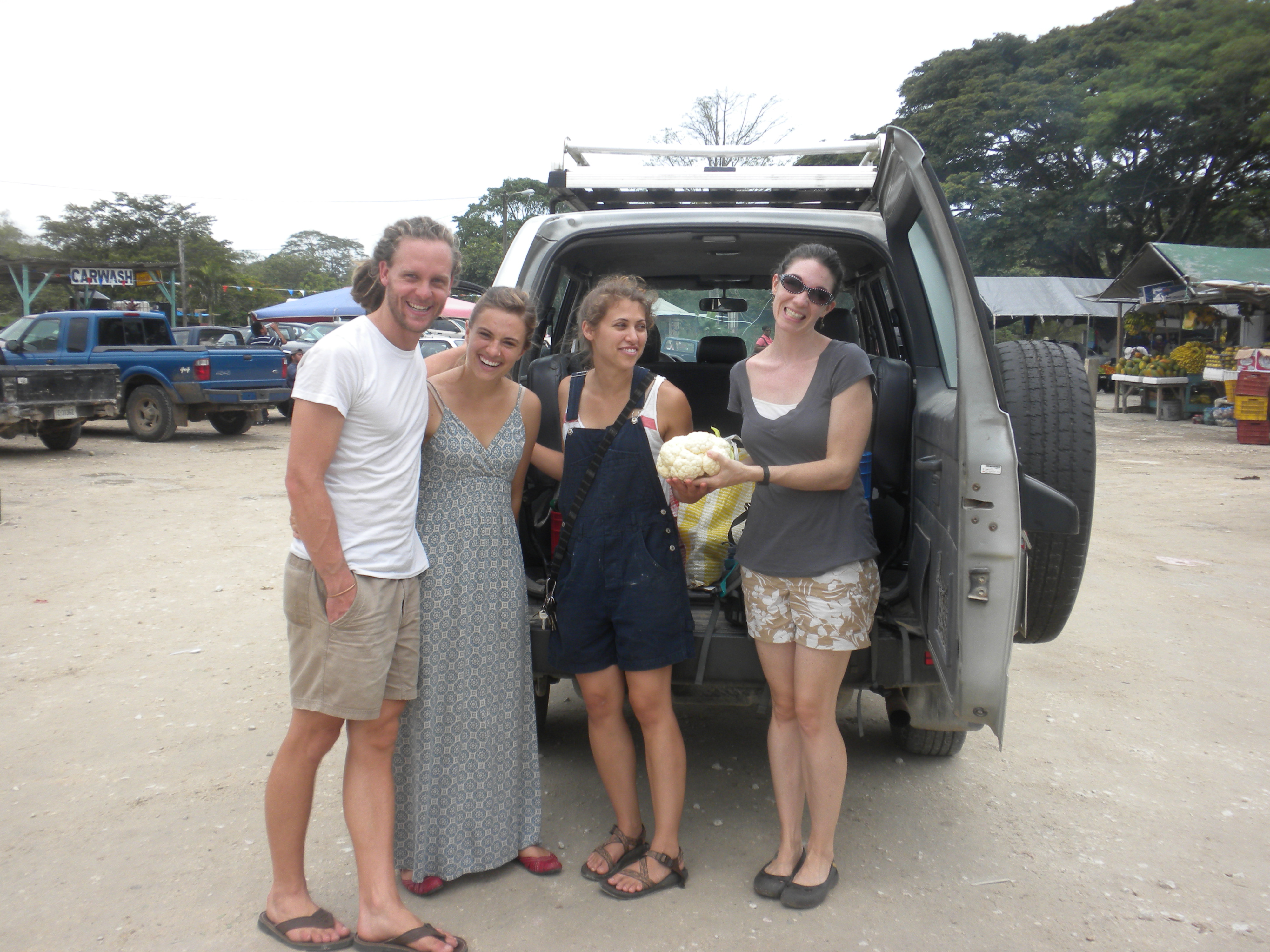
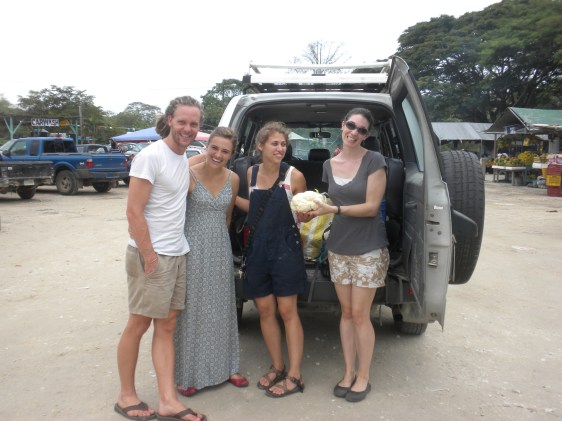
By mid-week (Wednesday afternoon) I found myself in rhythm with a slower pace of life, with few distractions (only intermittent Internet access and no committee meetings), and I began to feel part of this small community of faith and learning. Near the end of the week, I went with the staff to do shopping in San Ignacio, including a stop at the local market.
One afternoon I picked up a guitar (resting in the corner of a communal lounge) and began to play, after having hardly played for the entire past year (life had been that busy). Initially, my fingers seemed stiff and the music didn’t come easily, but by the end of the week I was in the groove, playing an hour or more each day.

Since Belize, there has been an undeniable element of culture shock at being thrust back into American life. Besides the much faster pace, plus having demands, deadlines, and meetings suddenly piled back on me (not to mention the desperate emails from students, needing help with different things), I found I was surprised at attitudes to food and portion sizes in restaurants (after eating lower down on the food chain for a week).
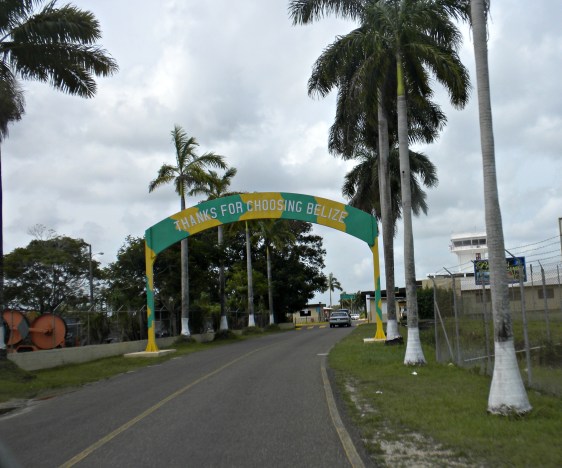
Yet I’ve been able to bring some of the mellowness back to Rochester (my wife keeps mentioning that I am nowhere as stressed as I had been). Among other things, I’ve been playing the guitar more and I’m trying to swim regularly at a nearby gym. Drinking my coffee black (as I had done in Belize, since milk wasn’t always available) has also helped; I found I can taste the coffee better now.

Would I return to Belize to teach “God and Nature” again?

No question about it; I hope it will be soon.

Further Thoughts on the Empty Temple—My Response to Jon Garvey

This is my response to questions raised by Jon Garvey in his post called Middleton on the empty temple.

I’m delighted to respond to Jon’s post, which reflects on a previous post of mine where I suggested that a priestly/liturgical read of the imago Dei can unify the entire biblical story. Jon raises very good questions in his post, questions I myself have wondered about.

Jon was intrigued with my suggestion that whereas the wilderness tabernacle and the Jerusalem temple are filled with God’s glory/Spirit/presence when they are completed (Exodus 40:34-35; 1 Kings 8:10-11; 2 Chronicles 7:1-3), there is no reference to the cosmic temple of creation being filled with God’s presence upon its completion (Genesis 2:1-3). Instead, I suggested that God intends humanity, as God’s authorized image in the temple of creation, to mediate that presence from heaven to earth, thus filling the earth not just with progeny (Genesis 1:28), but with progeny who manifest God’s glory, until (to use a Pauline phrase) God is “all in all” (1 Corinthians 15:28).

Does Genesis intend to teach that God has not yet filled the cosmic temple?

But Jon wonders if we can really attribute this idea to the author/editor of the Pentateuch. Particularly, he wonders if God’s rest on the seventh day, which just happens to omit reference to cosmic filling, could be intentional or is just a “fortuitously omitted detail of one stand-alone creation myth.”

In response, Jon quotes Numbers 14:21, a later Pentateuchal text that I myself would have mentioned if he hadn’t. There God promises that even the disobedience of Israel won’t thwart his purpose, but that “all the earth shall be filled with the glory of the LORD.” Although some translations (notably the NIV) render the imperfect of māle‘ as present tense here, the context supports the future (as Jon notes); and the LXX uses the future of epiplēmi here.

But there is another “fortuitously omitted detail” in the opening creation account of the Bible, which may suggest that neither omission is fortuitous. Whereas every “day” of creation from 1 through 6 concludes with the formula “and it was evening and morning, day X” there is no such formula associated with the seventh day (Augustine himself noted the absence of this concluding formula in the Confessions). This omission suggests that the seventh day has no conclusion and that everything that follows in Genesis (indeed, the entire Bible) may be read as occurring on the seventh day.

This intriguing possibility gains more credibility when we realize that among the polemical points of contact between Genesis 1 and Mesopotamian creation myths is precisely the notion of divine rest. In Mespotamian myths (Enuma Elish; Atrahasis; Enki and Ninmah; KAR 4) the gods are able to rest because they have created humans to do the manual labour that they disdained to do; so in these myths the gods’ rest is their abdication from a burdensome task.

By contrast, the biblical account suggests a different purpose for God’s rest, because of its more exalted view of human dignity and status. In Genesis 1 humans are created to share in God’s own rule of the world; they have been delegated the power and authority to administer the earth on God’s behalf.

This suggests that the creator’s rest on the seventh day represents God handing over the reins of power to humanity; the seventh day inaugurates the time of human historical agency.

So both forms of incompleteness in Genesis 2:1-3—the lack of reference to God filling the cosmic temple and the absence of the evening and morning formula—fit very well with the notion that humans are tasked with representing God’s rule and mediating God’s presence on earth.

What about biblical texts that suggest that God’s presence already fills creation?

But then Jon raises Isaiah 6 as a potential problem for the “future glory” theme, since verse 3 states that “the whole earth is full of his glory.” Although this is a legitimate translation of the Hebrew, there is actually no verb for “is full” here; instead there is the noun for “fullness.” So a more literal translation would be “the fullness of the whole earth is his glory,” which is quite compatible with the interpretation I was proposing.

Jon also mentions Ezekiel’s vision of YHWH on a chariot throne by the river Chebar in Babylon (Ezekiel 1-3). And he wonders if this indicates that God is omnipresent, dwelling in the Jerusalem temple and available to the exiles in Babylon (thus the cosmic temple is not empty of divine presence). Here it is crucial to read Ezekiel 1-3 in concert with the flashback the prophet is granted in chapters 10-11, where he sees YHWH’s glory exiting the east gate of the Jerusalem temple (10:18-19) and heading further eastward (11:22-23); he twice mentions that what he sees in this vision is the same as what he saw by the river Chebar (10:15, 20).

This journey eastward is completed when YHWH arrives in Babylon (Ezekiel 1) to accompany his people in their exile. So the point of the vision at the start of Ezekiel is not that God is omnipresent, but rather that this stern book of mostly judgment (oracles of restoration do not begin until chapter 34) nevertheless opens with the amazing grace of a God who himself goes into exile with his people (thus profoundly foreshadowing Christ’s identification with us in incarnation and atonement).

My own problem text—Jeremiah 23:23-24

Isaiah 6 and Ezekiel 1-3 aren’t that hard to deal with. The more difficult passage is Jeremiah 23, where God critiques the false prophets in Jerusalem who have claimed to speak on his behalf (23:15-22). The critique culminates in a series of rhetorical questions that challenge the prophets’ assumption of God’s immanence and availability:

“Am I a God near by, says the LORD, and not a God far off? Who can hide in secret places so that I cannot see them? says the LORD. Do I not fill heaven and earth? says the LORD.” (23:23-24)

I have to admit that I have often wondered how this passage fit with the future filling theme; if it intends to affirm that God already fills the cosmic temple it would be stand out as quite distinct in the Old Testament.

I have therefore wondered it if is polemical hyperbole, to make the point that God is not only located nearby (in the Jerusalem temple) as these prophets thought, but is also far off or transcendent (in heaven)—and then earth is added for good measure.

This contrast between heaven and Jerusalem seems supported by the earlier point God makes in Jeremiah 23:18 and 22 that a true prophet stands in the council of YHWH (that is, he has access to the decisions made in the gathering of angels in heaven). But these false prophets are earthbound and so have no genuine word from God.

The motif of God in heaven is often associated in the Old Testament with omniscience, since from heaven God can observe all activity on earth (see Psalm 11:4; 14:2; 28:24 33:13; 53:2; 102:19; Lamentations 3:50; cf. 2 Chronicles 16:9; Proverbs 15:3). So the false prophets cannot hope to escape judgment.

It is also associated with universal dominion: “The LORD has established his throne in the heavens,/ and his kingdom rules over all.” (Psalm 103:19) This motif of the God of heaven is especially prominent in Daniel 2-7, where the point is that even Nebuchadnezzar of Babylon has to submit to the universal ruler of the world.

Here it is important to note that immanence and transcendence are not two polar opposites as in much Christian theology today. Rather, in the Old Testament God’s transcendence (in heaven) grounds his immanence (on earth), in the sense of his intimate involvement in earthly affairs.

Jon had asked for clarification of this very point. And here it is appropriate to note the exodus story, where Israel’s cry “rose up to God” in heaven (Exodus 2:23) and God tells Moses, “I have come down to deliver them from the Egyptians” (Exodus 3:8).

Precisely because YHWH rules from heaven, outside the oppressive system of human evil (including Egyptian bondage), this God can be appealed to in a situation of injustice, and can be expected to care about human suffering (whereas appeals to Pharaoh, who is implicated in the oppressive system, are ineffectual; see Exodus 5:15-16). And as ruler and creator of all God has the power to change the situation of oppression.

In the Bible, therefore, God’s transcendence is not in contrast to God’s involvement (or immanence), as it sometimes is in our theological systems. Rather, God’s transcendence is precisely the condition of his involvement.

But, admittedly, the wording of Jeremiah 23:24 goes beyond saying that God is in heaven; it implies (through a rhetorical question) that God does indeed fill both heaven and earth.

At that point, I would simply say that there are diverse perspectives in Scripture (the Bible is a coherent, yet complex, unity). And yet the dominant tenor of the Old Testament is to affirm, with Isaiah 66:1-2a, that God’s throne is in heaven (the locus of his presence) and the earth is his footstool—until that climactic day when God’s dwelling/ throne shift decisively to earth (Revelation 21:3; 22:3).

Click here to read this post in its context on Jon Garvey’s website, along with responses and comments.